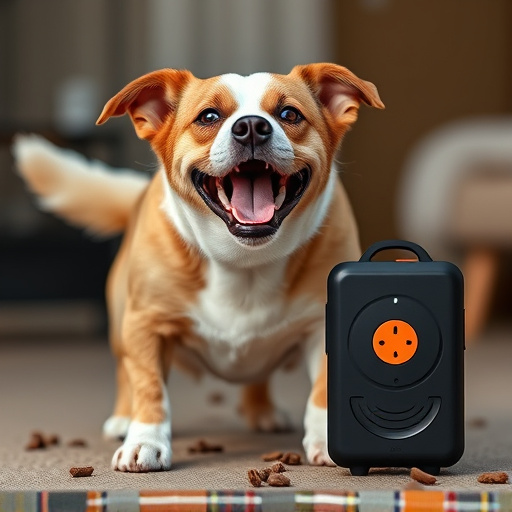
Dog repellent devices, relying on ultrasonic sound waves, modify canine behavior without harm. Their effectiveness and safety depend on rigorous compliance testing simulating real-life scenarios. Key factors for selection include dog size/breed, training type (ultrasonic, spray, vibration), product testing for safe sound levels, and battery life. Strategic training, involving positive reinforcement and clear boundaries, is crucial alongside device use to address specific behavioral issues effectively while adhering to safety standards.
“Unleash effective dog training with an innovative approach—the ultrasonic behavior modifier. This comprehensive guide explores the potential of these devices in shaping canine behavior. From understanding the science behind their operation to choosing the ideal product, we cover all aspects. Learn about compliance testing, a crucial step ensuring safety and efficacy, and discover practical tips for successful implementation. Unravel the secrets to effective dog training with our detailed analysis on dog repellent devices.”
- Understanding Dog Repellent Devices: A Comprehensive Overview
- The Science Behind Ultrasonic Behavior Modification
- Choosing the Right Dog Repellent Device: Factors to Consider
- Compliance Testing: Ensuring Safety and Efficacy
- Training with Ultrasonic Devices: Tips for Effective Implementation
Understanding Dog Repellent Devices: A Comprehensive Overview
Dog repellent devices, also known as ultrasonic behavior modifiers, are tools designed to discourage unwanted behaviors in canines through sound. These devices emit high-frequency sound waves that are typically inaudible to humans but can be detected by dogs. Understanding how these tools work is crucial for responsible and effective use.
Compliance testing plays a vital role in ensuring the safety and efficacy of dog repellent devices. Rigorous testing protocols assess whether the devices meet established safety standards, emitting only approved sound levels within specified frequency ranges. This process guarantees that the devices are humane and do not cause harm or distress to dogs, aligning with ethical training practices. Moreover, compliance testing helps maintain market integrity by verifying manufacturers’ claims and protecting consumers from potentially ineffective or harmful products.
The Science Behind Ultrasonic Behavior Modification
The science behind ultrasonic behavior modification involves using high-frequency sound waves that are inaudible to humans but can be detected by dogs. These devices emit a specific tone, often above 25 kHz, which triggers an instinctive response in canines. Dogs have highly sensitive hearing, and they perceive these ultrasonic frequencies as an annoyance or discomfort, prompting them to alter their behavior. This method is non-invasive and aims to encourage positive actions without causing harm or stress.
Compliance testing for dog repellent devices is crucial to ensure their effectiveness and safety. These tests involve rigorous evaluations to confirm that the ultrasonic waves are within the desired frequency range and powerful enough to be detected by dogs but harmless to humans and other pets. By simulating various real-life scenarios, manufacturers can guarantee that these devices consistently deliver the intended behavior modification results while maintaining ethical standards in animal training.
Choosing the Right Dog Repellent Device: Factors to Consider
When selecting a dog repellent device, several key factors should guide your choice to ensure it aligns with your needs and complies with relevant regulations. First, consider the size and breed of your dog. Devices are designed for different pet sizes, so an appropriate fit is essential for effectiveness and safety. Additionally, understand the type of training or deterrence required; some devices emit ultrasonic sounds, while others use spray or vibration, each suited to specific behavioral issues.
Second, verify the product’s compliance testing. Look for devices that have undergone rigorous testing by reputable organizations to ensure they meet safety standards. This includes checking for certifications and reviews to confirm the device’s reliability, durability, and effectiveness in real-world scenarios. Moreover, consider the operating range and battery life, especially if you have a large yard or multiple areas to cover.
Compliance Testing: Ensuring Safety and Efficacy
Dog Repellent Devices, often utilizing ultrasonic technology, require rigorous Compliance Testing to ensure their safety and efficacy. This process involves evaluating the device’s ability to deter canine behavior without causing harm or distress to the animal. Testing protocols include assessing the range and frequency of ultrasonic emissions to guarantee they are within safe limits for dog sensory exposure.
Additionally, compliance testing examines the device’s overall performance in various real-world scenarios, simulating different dog behaviors and environments. This ensures that the repellent device remains effective against persistent barking, jumping, or other unwanted actions, while adhering to stringent safety standards set by regulatory bodies.
Training with Ultrasonic Devices: Tips for Effective Implementation
When using a dog repellent device, such as an ultrasonic behavior modifier, it’s crucial to approach training with a strategic mindset. Begin by understanding your dog’s triggers; what specific behaviors do you want to alter? Whether it’s barking, jumping on furniture, or pulling on the leash, identifying these cues is key. Next, ensure your chosen device has undergone compliance testing to guarantee its effectiveness and safety. Set consistent boundaries and consistently reinforce positive behavior with rewards. Timing is essential—use the device immediately following undesirable behavior to create a clear association in your dog’s mind.
During training sessions, keep interactions calm and controlled. Avoid punishing your dog for existing behaviors; instead, focus on rewarding calm, desired actions. Gradually increase challenges as your dog adapts, ensuring you provide enough time for learning and adjustment. Regular practice and patience are vital. Always consult with a professional trainer or behaviorist if needed, especially for persistent issues. Dog repellent devices can be powerful tools, but proper implementation through consistent training methods enhances their effectiveness.
In conclusion, dog training ultrasonic behavior modifiers offer a safe and effective approach to addressing unwanted behaviors. By understanding the science behind this method, choosing the right device, and ensuring proper compliance testing, pet owners can effectively train their dogs while maintaining a harmonious living environment. These devices, when used responsibly, can be game-changers in managing canine behavior, fostering stronger bonds between pets and their owners.