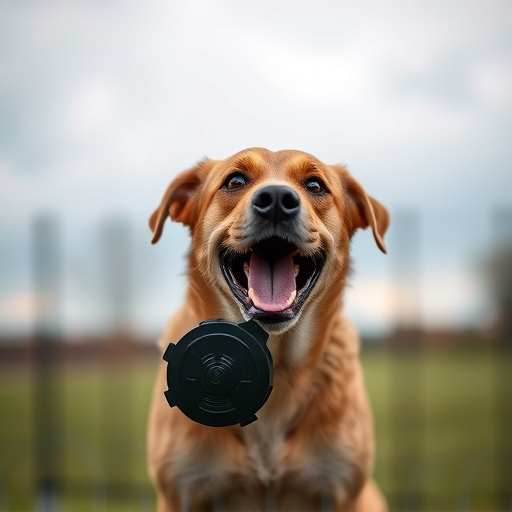
Dog repellent devices using ultrasonic technology have gained popularity for humane pet behavior management. These devices emit inaudible high-frequency sounds (above 25 kHz) to dogs, encouraging them to avoid specific areas. Dog Repellent Device Compliance Testing is vital to ensure these repellents meet safety standards, produce safe sound levels for canines, and effectively modify behavior without causing harm or discomfort. Independent labs rigorously evaluate device performance, including frequency, intensity, and reliability, to confirm their safety and effectiveness, aligning with animal welfare guidelines.
“Revolutionize your dog training regimen with the safe and effective use of ultrasonic technology. This cutting-edge approach offers a non-violent alternative to traditional training methods. Our article delves into the world of dog repellent devices, exploring their functionality and the science behind ultrasonic waves. We emphasize the importance of Dog Repellent Device Compliance Testing to ensure safety and effectiveness, providing peace of mind for responsible pet owners. Understand how this technology navigates the delicate balance between training and animal welfare.”
- Understanding Dog Repellent Devices and Their Functionality
- The Science Behind Ultrasonic Technology for Dog Training
- Compliance Testing: Ensuring Safe and Effective Dog Repellent Devices
Understanding Dog Repellent Devices and Their Functionality
Dog repellent devices, often utilizing ultrasonic technology, have gained popularity among pet owners seeking humane and effective solutions to manage unwanted behaviors. These devices emit high-frequency sound waves that are unpleasant to dogs, encouraging them to avoid specific areas or cease certain actions. The key to their effectiveness lies in understanding canine perception and sensory thresholds. Compliance testing is an essential aspect of ensuring these devices meet safety standards and effectively deter dogs without causing harm.
Ultrasonic dog repellents operate on the principle that dogs have a more sensitive hearing range than humans, with their ears capable of detecting sounds up to 40-60 kHz. The technology generates sound waves within this high-frequency spectrum, typically above 25 kHz, which are inaudible to human ears but irritating to dogs. This non-invasive approach avoids physical punishment and potential psychological trauma often associated with traditional training methods. Compliance testing ensures these devices adhere to safety guidelines, produce safe levels of ultrasonic sound, and effectively communicate the message to canines without causing discomfort or injury.
The Science Behind Ultrasonic Technology for Dog Training
Ultrasonic technology for dog training is based on the principle of using high-frequency sound waves that are inaudible to humans but can be detected by dogs. These sound waves, typically above 25 kHz, are designed to emit a gentle yet effective signal when a specific behavior is displayed by the canine. The science behind this method lies in its ability to modify dog behavior without causing any physical harm or discomfort. By targeting unwanted actions like barking excessively or jumping on furniture, ultrasonic devices emit a sound that momentarily distracts or discourages the dog from continuing the behavior.
Compliance testing of dog repellent devices utilizing ultrasonic technology is essential to ensure their effectiveness and safety. These tests involve rigorous evaluations to confirm that the ultrasonic waves are within safe sound pressure levels for dogs while being undetectable or minimally audible to humans. This ensures that the device operates as intended, providing a humane and non-invasive solution for dog training while adhering to strict guidelines for animal welfare.
Compliance Testing: Ensuring Safe and Effective Dog Repellent Devices
Dog Repellent Device Compliance Testing plays a critical role in ensuring that ultrasonic technology used for safe dog training is both effective and harmless to our furry friends. This rigorous process involves evaluating the device’s performance against established safety standards, including its ability to emit sound at specific frequencies and intensities designed to deter dogs without causing them harm. Independent testing labs assess these devices to confirm they meet regulatory requirements, ensuring that manufacturers’ claims are accurate and consumer safety is prioritized.
Compliance testing goes beyond basic functionality checks. It scrutinizes factors like emission levels, frequency ranges, and the device’s overall reliability, especially in varying environmental conditions. By subjecting dog repellent devices to these tests, consumers can be confident that the technology employed is not only humane but also consistently effective in training scenarios. This commitment to safety standards is essential for gaining consumer trust and promoting responsible, safe dog training practices.
Ultrasonic technology offers a safe and effective solution for dog training, with devices designed to repel unwanted behaviors without causing harm. Understanding the science behind this technology and ensuring proper compliance testing are key to harnessing its potential. By adhering to safety standards, Dog Repellent Device Compliance Testing guarantees that these innovative tools enhance training outcomes while maintaining the well-being of our canine companions.